
If you’ve lived in Washington for a while, you’ve probably noticed something strange happening to houses in the neighborhood. Roofs, siding, driveways, even fences start turning green.
In the Pacific Northwest, moss and algae thrive thanks to the region’s perfect combination of rain, shade, and mild temperatures. At Johnny Tsunami, we see it all the time — and the good news is that it’s completely manageable once you understand why it happens.
Let’s break down why homes turn green in Washington and what homeowners can do about it.
The Pacific Northwest: A Moss Paradise
Washington’s climate is basically a luxury resort for moss and algae. They love environments that are:
- Moist
- Shaded
- Mild in temperature
- Surrounded by organic debris like leaves and pollen
All the rain combined with tree coverage means moisture sticks around longer on roofs, siding, and concrete surfaces. When surfaces stay damp for extended periods, moss and algae spores settle in and begin to grow.
Over time, that growth spreads, and suddenly your once-clean home starts looking a little… forest-themed.
Moss vs. Algae: What’s the Difference?
Many homeowners think everything green on their home is moss, but that’s not always the case.
Algae
- Usually appears as green or dark streaks
- Common on siding and roofs
- Spreads quickly in damp conditions
Moss
- Thicker, fuzzy, and plant-like
- Often grows between shingles, on driveways, or along roof edges
- Holds moisture against surfaces, which can cause damage over time
Both thrive in Washington’s climate, and both can spread surprisingly fast if left untreated.
Where You’ll Usually See It First
Green growth tends to appear in areas where moisture lingers the longest. Common spots include:
- North-facing roofs
- Shaded siding
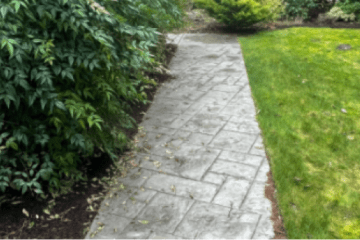
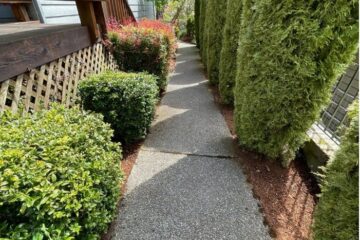
- Driveways and walkways
- Decks and patios
- Fences and retaining walls
If trees block sunlight from part of your home, that area will usually turn green much faster.
Why It’s More Than Just a Cosmetic Problem
A little moss or algae might seem harmless, but it can lead to bigger issues over time. Moss in particular can cause:
- Lifted and damaged roofing shingles
- Trapped moisture that leads to rot
- Slippery walkways and driveways
- Shortened lifespan of exterior materials
Regular cleaning and prevention help stop these problems before they turn into expensive repairs.
Common Questions Homeowners Ask
Is moss actually damaging my roof?
Yes, it can be. Moss holds moisture against shingles and can lift them as it grows. Over time, this can allow water to seep underneath roofing materials.
Why does my house get green faster than my neighbor’s?
It usually comes down to shade and moisture. Homes surrounded by trees or facing north tend to stay wetter longer, which creates the perfect environment for moss and algae.
Can I just pressure wash it myself?
In some cases, yes — but roofs require special care. High pressure can damage shingles if done incorrectly. Professional soft washing is often the safer option.
How often should a home be cleaned in Washington?
Most homes benefit from exterior cleaning every year, depending on tree coverage and moisture levels.
Will moss and algae come back?
Eventually, yes. Spores are always present in the environment. However, preventative treatments and routine cleaning can dramatically slow down regrowth.
How to Keep Your Home from Turning Green
There are a few simple ways to reduce moss and algae buildup:
- Trim overhanging branches to increase sunlight
- Keep roofs and gutters free of debris
- Schedule routine exterior cleaning
- Use preventative treatments when necessary
These steps help remove the moisture and organic buildup that moss loves.